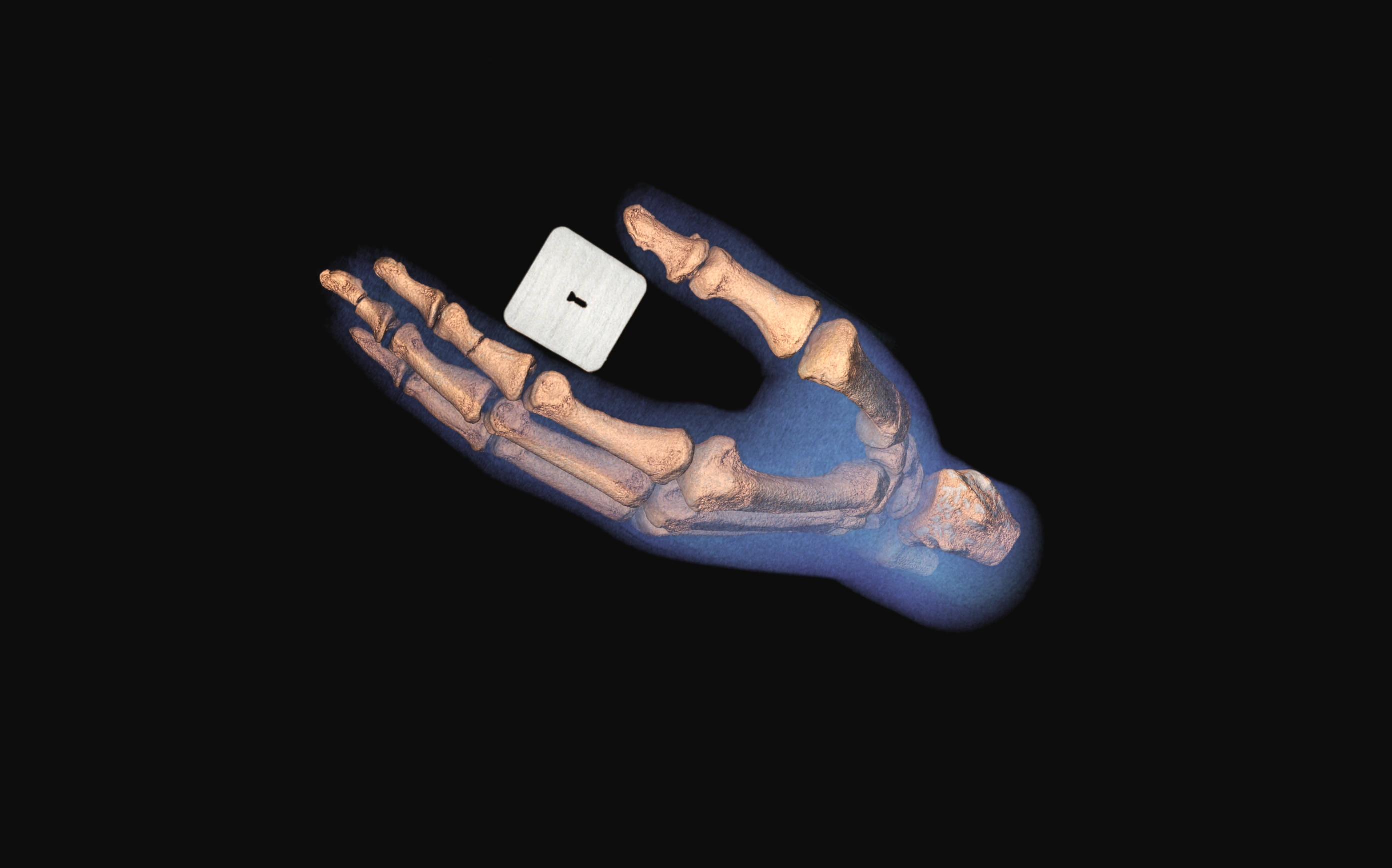
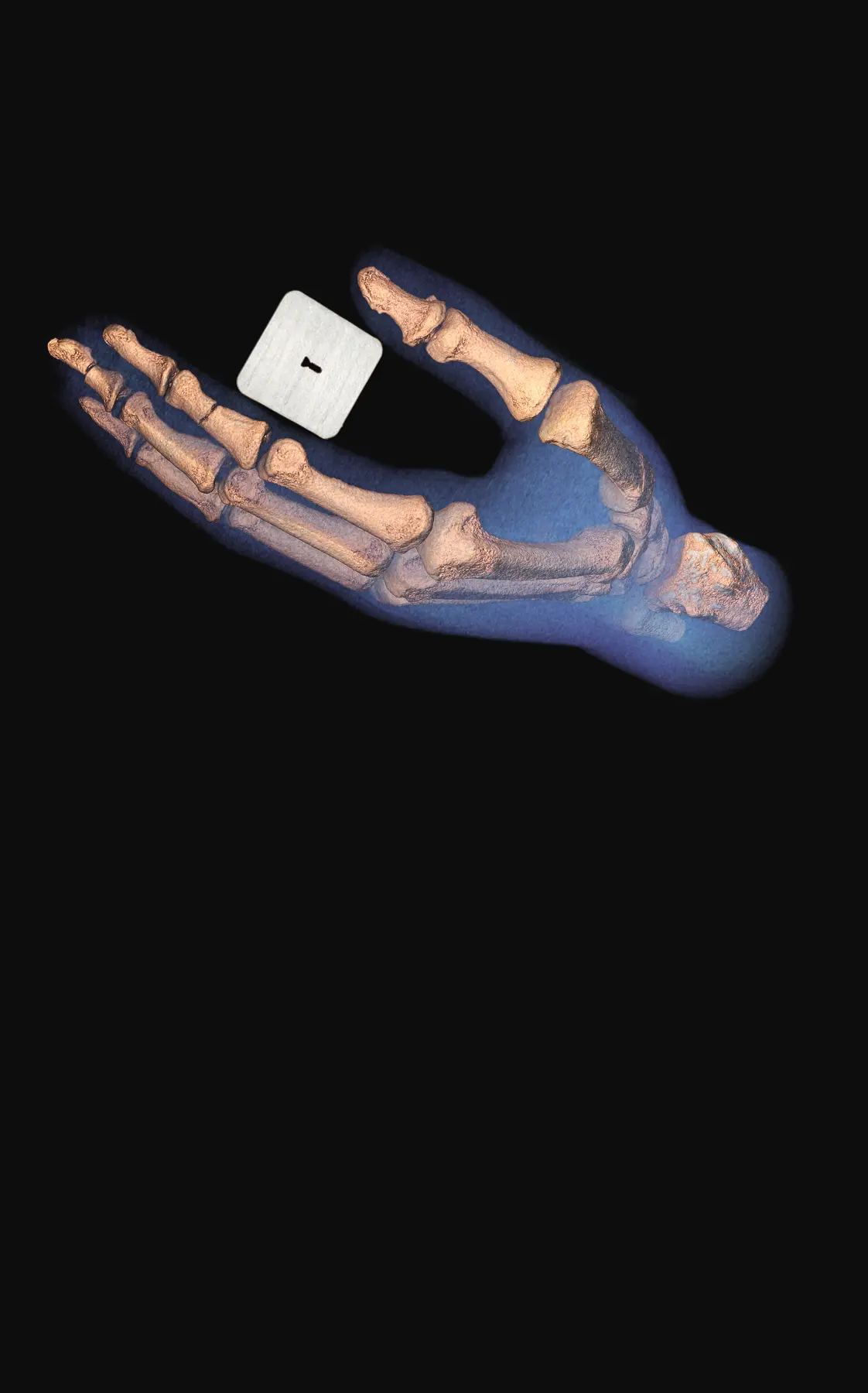
See what’s hidden in plain sight
Ultra-high resolution medical imaging technology for every lab, every clinic, every day.
Featured in




Technology
Advanced photon counting CT technology
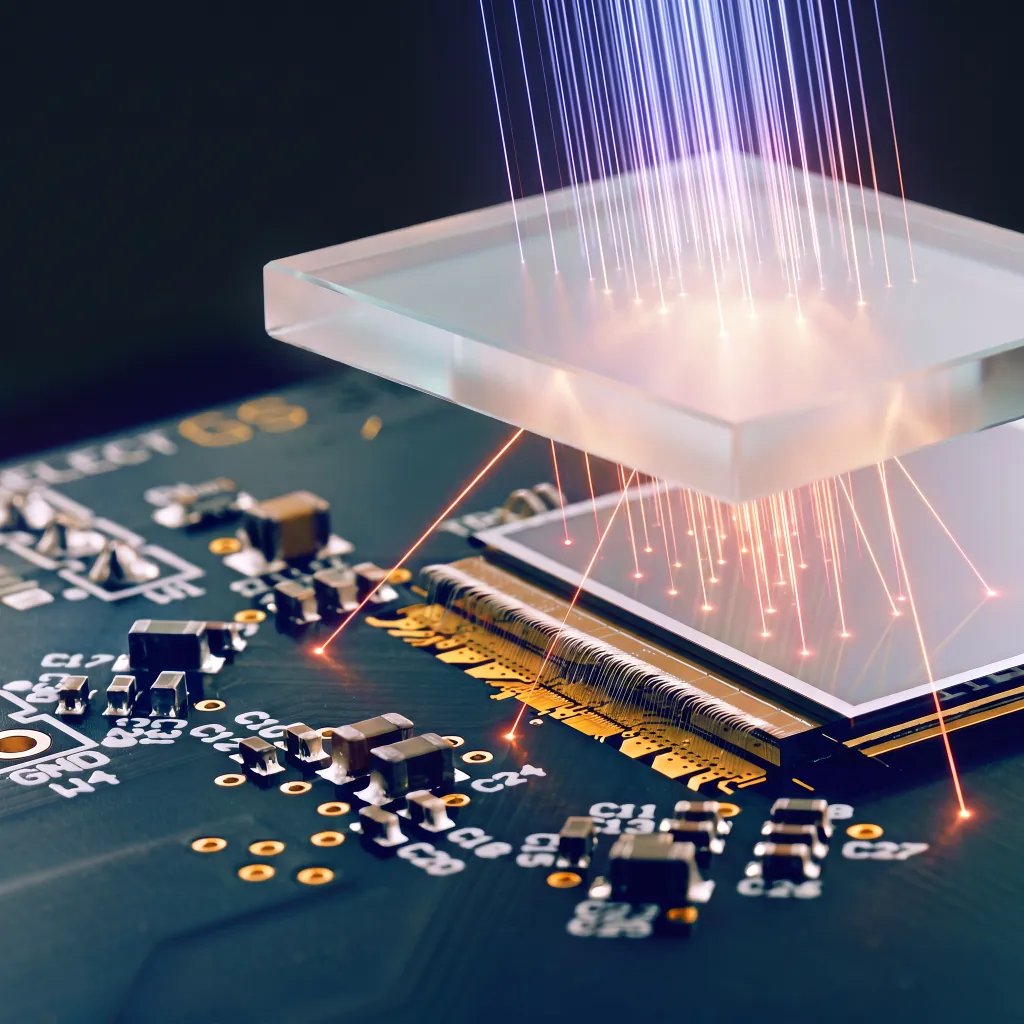
MARS Bioimaging’s advanced photon counting CT technology delivers colour 3D imaging, material identification and quantification¹, at low dose, in a compact form.
1. Material differentiation is for biomolecular research applications only at present.
Problems we solve
You can’t solve what you can’t see
Our spectral imaging technology allows for spatial resolution of 0.9mm isotropic voxels in clinical and research applications, enabling the visualisation of subtle fractures and contrast media.
Microlab
Biomolecular imaging for advanced scientific imaging
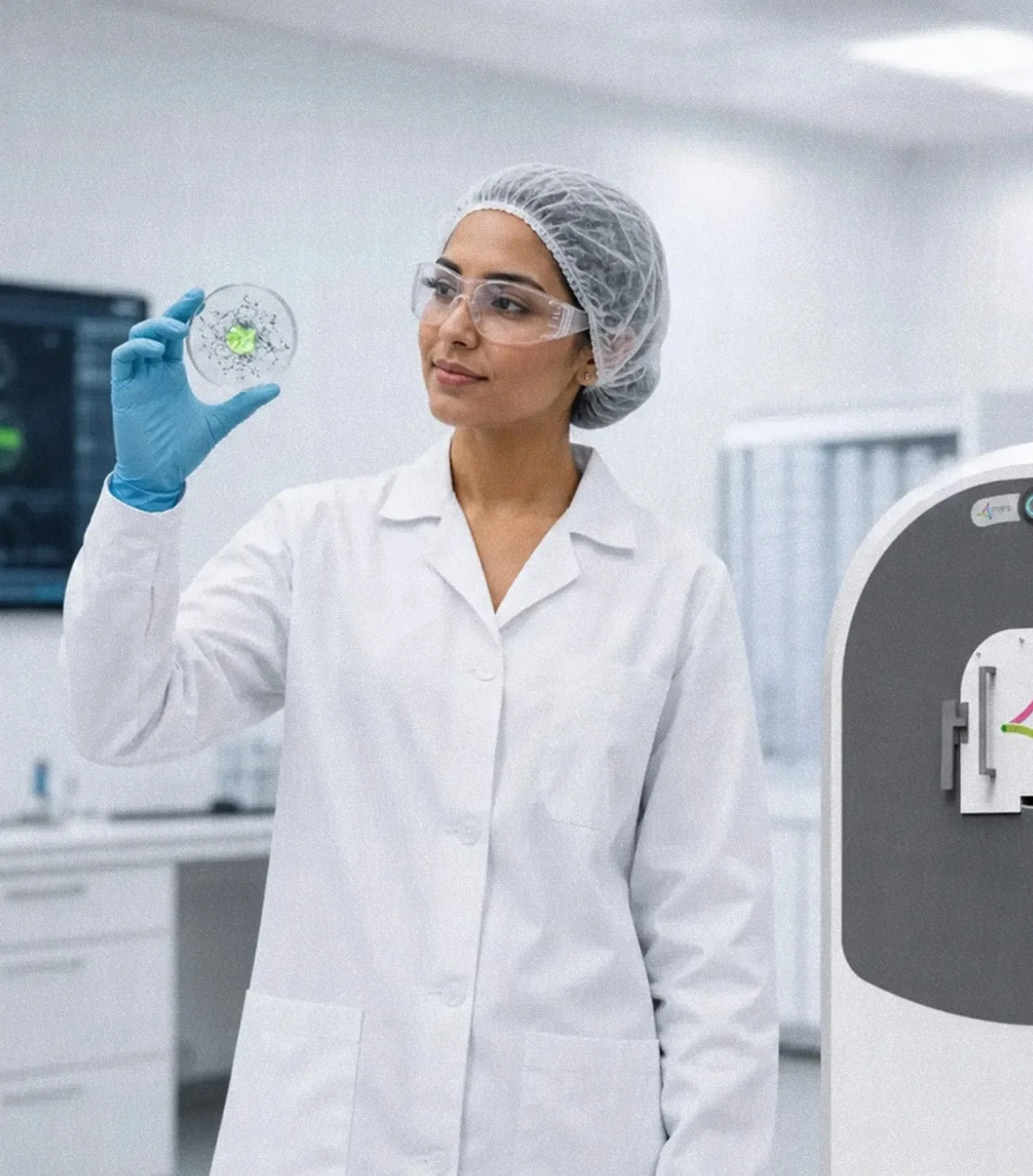
From innovation to application, our Microlab solution helps researchers understand the efficacy of novel treatments and biomaterials.
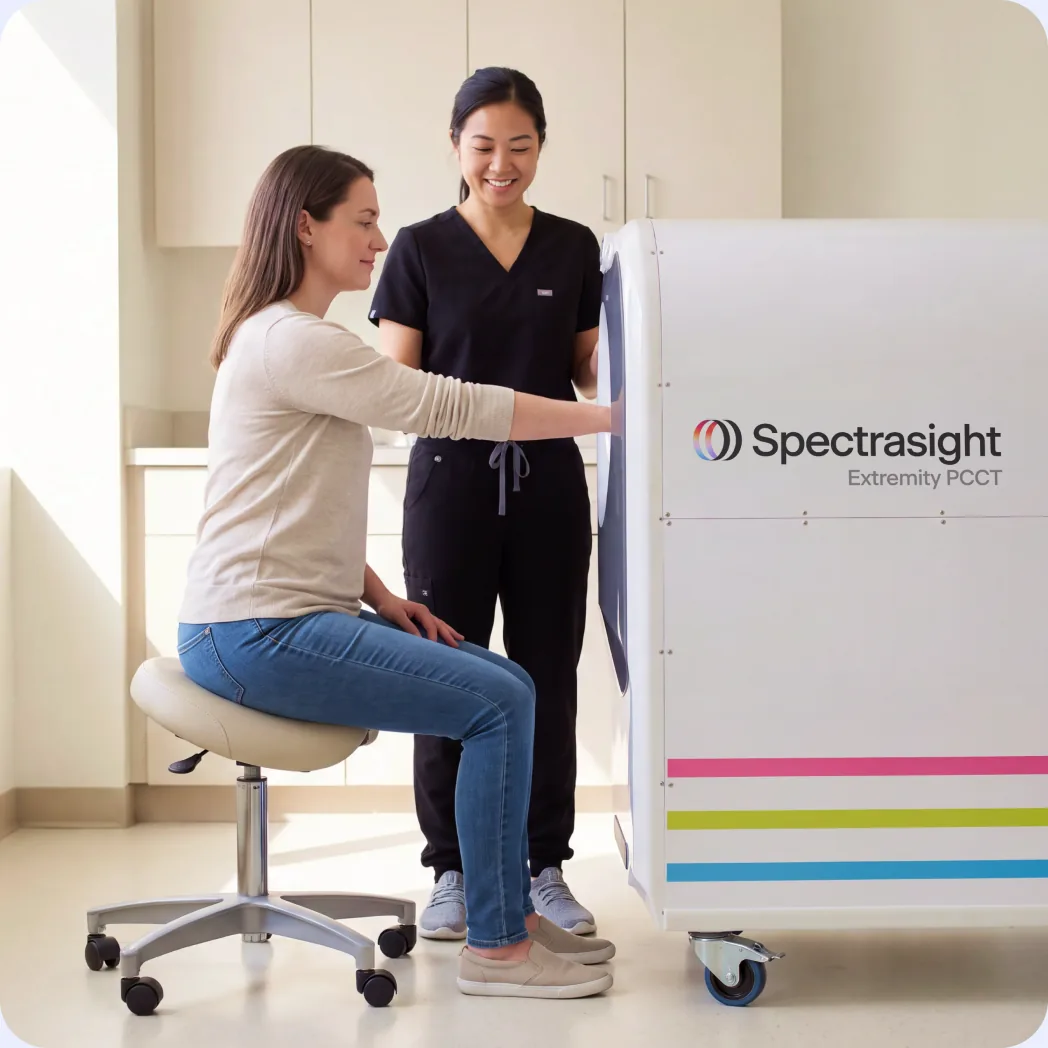
Spectrasight
Premium imaging across the patient pathway
State-of-the-art Spectrasight Extremity PCCT clinical imaging solution that makes clinically important details visible from day one through to post-operative follow up.
Core capabilities
Spectral photon-counting CT
Our PCCT technology uses energy resolved detectors to measure the energy change of individual photons. This allows for the identification and quantification of different materials using up to 5 energy bins. (Spectrasight Extremity PCCT makes no material differentiation claim as this time). Bone, tissue, metal implants and biochemical markers are brought into sharp, vivid focus in both 2D and colourised 3D imagery.
Ultra-high resolution at low dose
0.09mm millimetre detail at low radiation doses with native metal artifact handling.
Simple and safe to use
Internally shielded, compact scanners designed for use in pre-clinical research labs or hospital and community health settings.
A powerful research tool
Identify and quantify up to five materials in a single scan and customise protocols to suit your application.
History
World-class tech for real world applications
Built from a passion to bring ultra-high resolution (UHR) spectral imaging out of foundational science and into the hands of everyday clinicians and researchers. MARS Bioimaging has made ground-breaking CERN technology inside Medipix3RX photon-counting detectors available for advanced medical imaging in pre-clinical research and clinical applications.


Use of Medipix3RX is licensed to MARS Bioimaging for use in medical imaging. CERN does not endorse products or companies.

.webp)
Microlab Imaging System
Photon-counting CT for advanced research
Studies & publications
20+ years of research, and counting
Download our research and evidence pack to see how MARS Bioimaging has played a pivotal role in the development and use of photon-counting CT in pre-clinical research.

Contact us
See what you’ve been missing
Discover how spectral imaging can transform your bio-molecular research or clinical imaging practice.